

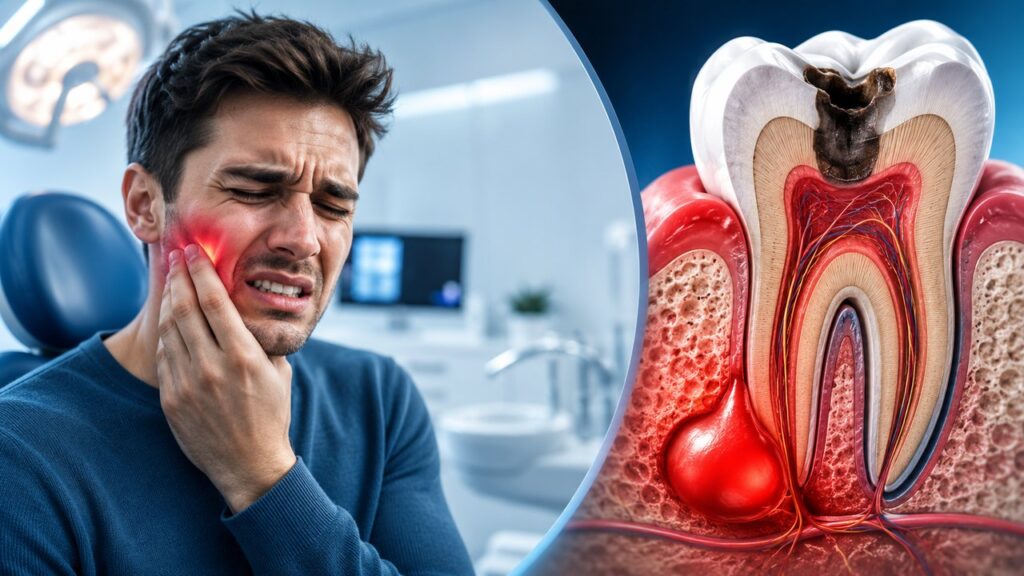
The thought of going to the dentist can create anxiety and unease in some people; this is a fairly common and understandable situation. Fear of the dentist, that is dental anxiety, can lead to a person avoiding dental treatment and therefore neglecting oral health. This fear is a real emotion that many people experience and is nothing to be ashamed of. The good news is that there are ways to cope with fear of the dentist and to make this process more comfortable. In this comprehensive article we take a look at what fear of the dentist is, why it arises, its effect on oral health and the supportive approaches that can help cope with this fear. Our aim is to understand the fear and share the steps that can be taken to protect oral health.
What is dental anxiety (dental phobia)?
Fear of the dentist is the situation of a person experiencing anxiety, unease or fear at the thought of going to the dentist or receiving dental treatment. This emotion can be at different levels, from mild unease to intense anxiety. In some people, this fear can be strong enough to lead to completely avoiding going to the dentist; this situation is sometimes called dental phobia. Fear of the dentist is a fairly common situation, and many people experience this emotion. There can be different causes behind this fear, and each person’s experience is unique. What is important is to accept that this fear is a real and understandable emotion and to seek supportive ways to cope with it. Fear of the dentist is a situation that can be managed with appropriate approaches; understanding the fear is the first step in coping.
How common is dental anxiety?
Fear of the dentist is a situation that is seen fairly commonly in society. Many people experience some anxiety at the thought of going to the dentist; this is an extremely understandable and normal emotion. The level of this fear varies from person to person; while some feel mild unease, in others this emotion can be more intense. The fact that fear of the dentist is common shows that people who experience this emotion are not alone. Experiencing this fear is not a personal weakness or something to be ashamed of; on the contrary, it is a common experience of many people. Dentists are used to encountering patients with such anxieties and can adopt an understanding approach on this matter. Knowing that the fear is common can make it easier for a person to cope with this emotion and seek support when needed. What is important is not to let the fear prevent oral health.
The causes of dental anxiety
There can be more than one cause behind fear of the dentist, and these causes vary from person to person. One of the most common causes is a negative or uncomfortable experience in the past; this experience can create a negative association related to the dentist. Anxiety about the unknown or a feeling of loss of control can also contribute to the fear. In some people, the worry of experiencing discomfort during procedures is prominent. In addition, negative stories heard from the environment or a general health anxiety can also feed fear of the dentist. In some cases, the mouth area being a sensitive and personal area can also increase anxiety. Understanding the cause of fear of the dentist can help determine the steps to be taken to cope with this fear. Each person’s fear can come from a different source; for this reason, a personalized approach is important.
The effect of past experiences
Experiences in the past can play an important role in the formation of fear of the dentist. A negative, uncomfortable experience in childhood or earlier periods in particular can leave a negative association related to the dentist in the person’s mind. Such experiences can cause anxiety at the thought of going to the dentist even years later. However, dentistry applications and approaches to patient comfort have developed over time; today, patient comfort is a valued matter. A negative experience in the past does not mean that all future experiences will be the same. For this reason, it may be possible to replace the fear created by past experiences with a new and supportive experience. An understanding dentist and a positive experience can help the fear from the past decrease over time. Recognizing the source of the fear is an important part of coping with it.
The effect of fear on oral health
One of the most important effects of fear of the dentist is that it can lead to a person avoiding going to the dentist. This avoidance can lead to oral and dental health being neglected and existing problems progressing without being noticed. Regular dental check-ups are important for oral health problems to be noticed and addressed early; however, when these check-ups are skipped due to fear, small problems can grow over time. This situation can lead to the need for more comprehensive treatments in the following period, which can increase the fear even more. For this reason, coping with fear of the dentist is important not only to reduce anxiety but also to protect oral health. Managing the fear and continuing regular check-ups contributes to both protecting oral health and a process that requires less intervention over the long term. Protecting oral health is an important motivation for overcoming fear.
The vicious cycle created by avoidance
Fear of the dentist can often lead to a vicious cycle. When going to the dentist is avoided due to fear, oral health problems can progress without being noticed; this can lead to more noticeable problems and the need for more comprehensive treatment over time. The need for more comprehensive treatment, in turn, can increase the fear even more, causing the person to avoid going to the dentist more. This cycle can lead to oral health being increasingly neglected. The way to break this vicious cycle is to cope with the fear and start regular check-ups. When problems are noticed at an early stage thanks to regular check-ups, simpler interventions are usually sufficient; this can help reduce fear by making the dental experience more comfortable. The first step to break the vicious cycle is to make a small and supportive start. This reduces both the fear and the problems over the long term.
The symptoms of dental anxiety
Fear of the dentist can show itself in different ways from person to person. This fear can be felt as anxiety, unease or tension that arises when a dental appointment is thought about or approaches. In some people, this emotion can lead to postponing appointments or completely avoiding them. Fear can increase a person’s reluctance about going to the dentist. Each person’s experience is unique, and the level of fear can vary. Being aware of these symptoms can help a person recognize their fear and take a step to cope with it. The most important thing people who experience the symptoms of fear of the dentist need to know is that this emotion is common and understandable and can be managed. Recognizing and accepting the fear is the first step in the journey of coping with it. Seeking support when needed is a valuable approach in this process.
Ways to cope with fear
There are various supportive approaches that can be applied to cope with fear of the dentist. First, it is important to accept that fear is a real and understandable emotion. Approaching yourself with understanding makes the coping process easier. Choosing an understanding dentist who values patient comfort can make the experience more comfortable. Talking openly with your dentist about your fears can help determine an approach suitable for you. Trying relaxation techniques before the appointment and starting with small steps can also be helpful. Coping with fear of the dentist can take time; it is important to be patient with yourself in this process. Each of these approaches can help manage the fear and make the dental experience more positive. What is important is to find supportive ways suitable for you without letting the fear prevent your oral health.
Choosing the right dentist and clinic
In coping with fear of the dentist, choosing a dentist and clinic where you will feel comfortable plays an important role. An understanding, patient dentist who values patient comfort can help a fearful patient feel more secure. The general atmosphere of the clinic, the approach of the staff and the communication style are also factors that affect the experience. In an environment where you feel comfortable, it can be easier to cope with fear. When choosing your dentist, you can pay attention to whether they adopt an understanding approach about your anxieties. Sharing your fears at the first meeting helps the dentist determine an approach suitable for you. Choosing the right dentist and clinic can contribute to the fear decreasing over time by making the dental experience more comfortable. Feeling comfortable also increases your motivation to continue regular check-ups.
Establishing open communication with the dentist
In coping with fear of the dentist, establishing open and honest communication with your dentist is extremely important. Sharing your fears and anxieties with your dentist helps them determine an appropriate and understanding approach for you. You can tell your dentist about the situations that bother you, your past experiences and what will make you feel more comfortable. Many dentists can adopt approaches such as explaining procedures in an understandable way for fearful patients and informing the patient throughout the process. Determining a communication method by which you can tell your dentist when you want to take a break during the procedure can also be helpful. Open communication helps reduce anxiety by increasing the feeling of control. The relationship of trust you establish with your dentist makes the dental experience more comfortable. Do not hesitate to share your fears; this is an important part of the coping process.
Preparation before the appointment
Some preparations made before a dental appointment can help cope with fear. Planning your appointment for a time when you will feel less tired and stressed can be helpful. Avoiding excessive caffeine consumption before the appointment can help reduce anxiety in some people. Having a person you trust with you can help you feel more comfortable. Having talked with your dentist about your fears before the appointment is also part of the preparation. Some people state that methods such as listening to music that will distract them are helpful. Applying relaxation techniques before the appointment can also help reduce anxiety. These preparations can make the dental experience more manageable. Finding preparation methods suitable for you helps you go through the process more comfortably. What is important is to discover ways that will support you.
Relaxation techniques
Relaxation techniques are supportive methods that can help in coping with fear of the dentist. Breathing deeply and slowly is a simple technique that can help calm the body at the moment of anxiety. Drawing attention in another direction during the appointment, for example listening to music or visualizing a relaxing scene in the mind, can contribute to reducing anxiety. Muscle relaxation techniques can also be helpful in some people. Applying these techniques before and during the appointment can help you feel calmer. The effect of relaxation techniques varies from person to person; you can try different methods to find the one most suitable for you. Although these techniques do not completely eliminate the fear, they can make it easier to cope with. Knowing ways to calm yourself can make the dental experience more comfortable. These methods help the person manage anxiety by increasing the feeling of control.
Progressing with small steps
In coping with fear of the dentist, progressing with small and gradual steps can be an effective approach. Instead of starting directly with a comprehensive procedure, starting first with a short introductory meeting or a simple check-up appointment can help the person get used to the environment and the dentist. Such small and positive experiences can contribute to the fear decreasing by building trust over time. Each positive experience can make the next step easier. It is important to be patient with yourself in this process and to see small progress as valuable. Coping with fear is a process, and everyone’s pace is different. A gradual approach allows the person to progress at their own pace. Positive experiences created with small steps can reduce anxiety about going to the dentist over time and increase the motivation to continue regular check-ups. This approach offers a sustainable solution.
Fear of the dentist in children
Fear of the dentist is a situation that can also be seen in children, and positive experiences created at an early age are important in this respect. Children developing a positive relationship with the dentist can help reduce the likelihood of experiencing fear of the dentist in the future. The child’s first dental experiences being positive and supportive contributes to them seeing the dentist not as a place to be feared but as a place that protects their health. It can be helpful for parents to adopt a positive and calm approach toward their children about the dentist; children can be affected by their parents’ attitudes. For more information about children’s dental health and the dental experience, you can review our regular dental check-ups article. A dentist who adopts a child-friendly approach can help the child feel comfortable. Positive experiences created at an early age form the basis of healthy habits that will last a lifetime.
The importance of overcoming fear
Coping with fear of the dentist is an important step in terms of both oral health and general quality of life. Avoiding going to the dentist due to fear can lead to oral health problems progressing and the need for more comprehensive treatment. Managing the fear and continuing regular check-ups, on the other hand, allows problems to be noticed early, usually enabling them to be resolved with simpler and more comfortable interventions. Overcoming fear helps the person be more proactive about protecting their oral health. This process can also increase the person’s self-confidence. Coping with fear can take time; however, each step taken contributes to both protecting oral health and making the dental experience more positive. One of the most important motivations for overcoming fear is having a healthy mouth and smile. This positively affects quality of life over the long term.
The role of regular check-ups in reducing fear
Regular dental check-ups can play an important role in the fear of the dentist decreasing over time. When oral health problems are noticed at an early stage thanks to regular check-ups, simpler interventions are usually sufficient; this makes the dental experience more comfortable. In addition, regular check-ups allow the person to become familiar with the dentist and the clinic environment, which can reduce anxiety about the unknown. Each positive check-up experience can contribute to the fear decreasing and trust increasing. Continuing regular check-ups also helps break the vicious cycle by reducing the need for comprehensive treatments that can arouse fear. For this reason, regular check-ups are a valuable tool in the process of coping with fear. Regular check-ups contribute to both protecting oral health and managing fear of the dentist. Small and regular steps can make a big difference over time. You can review our general dentistry service for more information.
When should you seek professional support?
Fear of the dentist can be managed in most people with supportive approaches and positive experiences. However, in some cases, the fear can be intense enough to lead to a person seriously neglecting their oral health. If the fear makes going to the dentist completely impossible and negatively affects quality of life, seeking professional support on this matter can be helpful. Specialists working in the field of mental health can offer supportive approaches in coping with intense anxiety and fears. In addition, contacting a dentist who values patient comfort and is experienced in working with fearful patients is also a valuable step. Regardless of the intensity of the fear, seeking support to cope with it is a sign of strength. No one has to compromise their oral health because of their fear. With appropriate support, fear of the dentist can be managed and oral health can be protected. What is important is to take the first step and to know that you are not alone.
Common misconceptions about dental anxiety
One of the most common misconceptions about fear of the dentist is that this fear is shameful or a personal weakness; in reality, dental phobia is an extremely common and understandable emotion. Another misconception is that not going to the dentist due to fear is a solution; in reality, avoidance leads to oral health problems progressing. In addition, it is thought that fear of the dentist can never be overcome; in reality, this fear can be largely managed with supportive approaches and positive experiences. The belief that fear is only seen in children is also wrong; people of all ages can experience this emotion. The most reliable way to cope with fear of the dentist is to communicate with an understanding dentist and seek professional support when needed.
Frequently Asked Questions
Is dental anxiety common?
Yes, it is very common. Many people experience some anxiety at the thought of going to the dentist. This is an understandable and normal emotion; you are not alone.
Why does dental anxiety occur?
Different causes can play a role, such as past negative experiences, anxiety about the unknown, a feeling of loss of control or stories heard from others. It differs in each person.
How do you cope with dental anxiety?
Choosing an understanding dentist, sharing your fears, starting with small steps and trying relaxation techniques can help. Be patient with yourself.
I don’t go to the dentist because of my fear, what should I do?
Avoidance can make problems worse. You can make a small start with an understanding dentist by first having a short introductory meeting. Do not hesitate to share your fears.
Should I tell the dentist about my fear?
Yes. Sharing your fears helps the dentist determine an appropriate and understanding approach for you. Open communication is important in reducing anxiety.
Can dental anxiety be overcome?
This fear can be largely managed with supportive approaches and positive experiences. In intense cases, seeking professional support can be helpful.
Even if you have fear of the dentist, you can book an appointment at Beyaz Köşe Oral and Dental Health Clinic to request an assessment with an understanding approach to protect your oral health.