

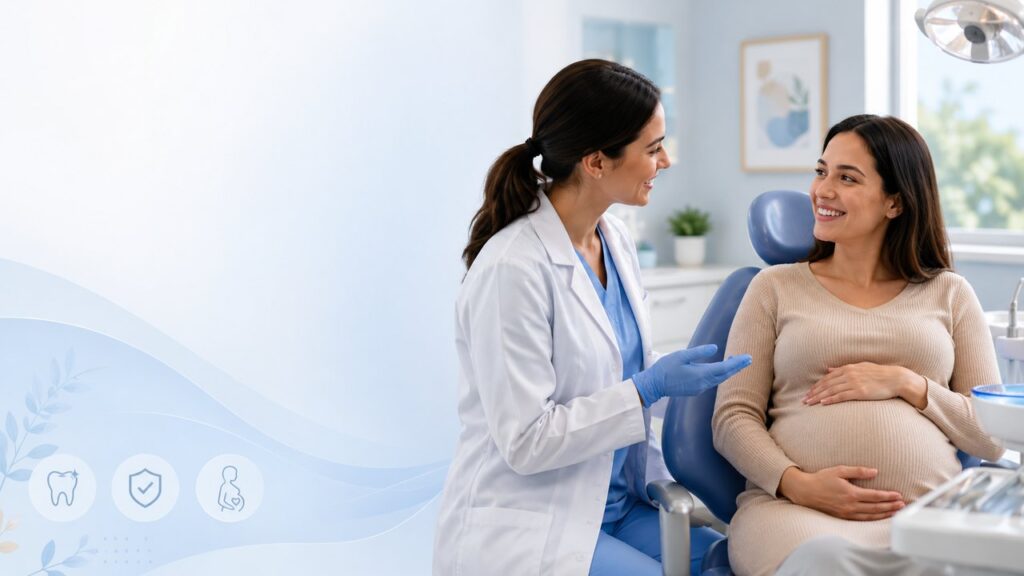
Pregnancy is a special period in which many changes occur in a woman’s body, and these changes can also affect oral and dental health. Giving the necessary care to dental health during this period is important for the health of both the mother and the baby. The hormonal changes experienced during pregnancy can lead to some differences in gum health; in addition, many questions can arise during this period about oral care and dental visits. The good news is that it is possible to protect oral health during pregnancy with correct information and regular care. In this comprehensive article we take a detailed look at why dental health is important during pregnancy, the gum changes that can be seen, oral care, treatment timing and recommendations.
Why is dental health important during pregnancy?
Paying attention to oral and dental health during pregnancy is important for both the mother’s comfort and general health. The hormonal changes experienced during this period can make the gums more sensitive to plaque and increase the tendency to gum problems. In addition, changes in dietary habits during pregnancy can also affect oral health. Considering that oral health is an inseparable part of general health, it is important not to neglect dental health during this period. Regular oral care and dental check-ups are the most effective ways to protect oral health during pregnancy. If you are planning a pregnancy or are pregnant, it will be helpful to consult your dentist about your oral health. Early information helps you go through this period more comfortably.
Hormonal changes and gums during pregnancy
The hormonal changes experienced during pregnancy are one of the most important factors that affect gum health. These changes can lead to the gums becoming more easily inflamed and sensitive by increasing the gums’ response to plaque. For this reason, during pregnancy, even the same amount of plaque can cause a more pronounced response in the gums. Redness, swelling in the gums and bleeding during brushing are among the symptoms commonly seen in this period. This situation requires paying even more attention to oral care. Gum sensitivity due to hormonal changes can be largely managed with regular and correct oral care. Regular brushing, flossing and dental check-ups are of great importance for protecting gum health in this period.
Gum inflammation during pregnancy
One of the most common oral health problems seen during pregnancy is gum inflammation that develops due to hormonal changes. This situation can show itself with redness, swelling in the gums and bleeding especially during brushing. Because the gums are more sensitive to plaque during pregnancy, inadequate oral care facilitates the development of this inflammation. Regular and correct oral care is of great importance in preventing and managing gum inflammation. Keeping plaque buildup under control is the basis of protecting gum health. For more detailed information about bleeding gums and inflammation, you can review our bleeding gums article. If you have concerns about your gum health during pregnancy, it is recommended that you consult your dentist.
Oral care during pregnancy
Paying attention to oral care during pregnancy is of great importance for protecting gum health. Teeth should be brushed at least twice a day with a soft-bristled brush and the correct technique; daily flossing should not be neglected. Because the gums can be more sensitive in this period, gentle but regular brushing is important. Keeping plaque buildup under control helps prevent the gum problems commonly seen during pregnancy. If you have hesitations about the use of oral care products, you can consult your dentist. Regular oral care both protects gum health during pregnancy and contributes to preventing possible problems. The care given to oral care in this period helps protect both the mother and general health.
Morning sickness and dental health
Morning sickness, seen in some women during pregnancy, is a situation that can affect oral and dental health. The acidic environment that forms in the mouth after nausea can affect the tooth enamel. For this reason, rinsing the mouth with water after nausea can be helpful. Instead of brushing immediately after nausea, waiting for a while and first rinsing the mouth with water may be more suitable for the enamel; because brushing immediately in an acidic environment can affect the enamel. It will be helpful to get your dentist’s recommendations on this. To reduce the possible effects of morning sickness on dental health, it is important to pay attention to oral care and consume plenty of water. Sharing the oral health problems you experience in this period with your dentist helps determine recommendations suitable for you.
Nutrition and dental health during pregnancy
Nutrition plays an important role during pregnancy in terms of both general health and oral and dental health. Eating a balanced and healthy diet supports the health of the mother and the baby while also contributing to protecting dental health. Avoiding frequent consumption of sugary and acidic foods during this period helps reduce the risk of tooth decay and gum problems. Especially if there is a habit of frequent snacking during the day, safer options for the teeth can be preferred. Adequate water consumption also supports oral health. For more information about the role of nutrition in dental health, you can review our nutrition for dental health article. Healthy dietary habits support both dental health and general health during pregnancy.
Can dental treatment be done during pregnancy?
Whether dental treatment can be done during pregnancy is a subject that many mothers wonder about. In general, protecting oral health is also important during pregnancy, and routine dental care should not be neglected in this process. However, which treatments will be done and when is assessed according to the stage of pregnancy and the person’s condition. For this reason, when dental treatment is needed during pregnancy, it is very important that the dentist be informed of the pregnancy. The dentist determines an appropriate approach by considering the stage of pregnancy and the general condition. Timing can be planned for some non-urgent procedures. When you experience any problem related to dental health during pregnancy, it is best to share the situation with your dentist and create the most suitable plan together.
Informing the dentist about the pregnancy
When going to the dentist during pregnancy, it is of great importance to inform the dentist of the pregnancy and, if any, special conditions related to the pregnancy. This information is necessary for the dentist to determine the most suitable and safe approach for you. In addition, it is also important to inform the dentist about the medications and supplements you use and your general health status. Which stage of pregnancy you are in is taken into account in planning treatments and procedures. Establishing open communication with your dentist ensures that your oral health is managed correctly during this period. When you experience any oral health problem during pregnancy or go to the dentist for a routine check-up, sharing your situation completely helps create a care plan suitable for you. Informing is essential for a safe process.
Dental check-ups during pregnancy
Regular dental check-ups during pregnancy are important for protecting oral health. Because the gums can be more sensitive in this period, regular check-ups allow possible problems to be noticed and addressed early. During routine check-ups, the dentist assesses your oral health, can perform professional cleaning deemed necessary and offers you oral care recommendations suitable for this period. If you are planning a pregnancy, having a dental check-up before pregnancy can be helpful in addressing possible problems in advance. When you notice any change or problem related to your oral health during pregnancy, it is recommended that you see your dentist. Regular check-ups are one of the most effective ways both to protect oral health and to go through this special period with peace of mind.
Protecting gum health during pregnancy
To protect gum health during pregnancy, it is necessary to pay attention to a few basic points. Regular and correct brushing, daily flossing and plaque control are the most effective methods in preventing gum problems. Because the gums can be more sensitive in this period, it is important to use a soft-bristled brush and brush gently. Regular dental check-ups and professional cleaning when necessary contribute to protecting gum health. A balanced diet and adequate water consumption also support this process. If you notice noticeable redness, swelling or constant bleeding in your gums, it is recommended that you consult your dentist. Protecting gum health in this period is important for both the mother’s comfort and general oral health. A preventive approach is best.
Oral health after birth
The care given to oral health during pregnancy should also be maintained after birth. In the postpartum period too, regular oral care and dental check-ups are important for protecting the mother’s oral health. Some routine dental procedures postponed during pregnancy can be planned at an appropriate time after birth. In addition, if any problem related to oral health is noticed in this period, it is important to see a dentist. Protecting the mother’s oral health should also be a priority in the following period. In the busy pace after birth, oral care can sometimes be overlooked; however, it is important to continue regular brushing and flossing. When you have any questions about your oral health, do not hesitate to consult your dentist.
Preparing for the baby’s dental health
The pregnancy period is also a good opportunity to get information for protecting the baby’s dental health in the future. The baby’s teeth begin to erupt at a certain period after birth, and it is helpful to be prepared for this process. Protecting oral health in babies and children begins with acquiring early habits. You can get information from your dentist about how oral care should be done when the baby’s first tooth erupts and when the first dental visit should be. For more information about children’s dental health, you can review our children’s dental health article. Getting information about these subjects during pregnancy helps you create a solid foundation for protecting your baby’s oral health.
Recommendations for dental health during pregnancy
There are some basic recommendations that can be paid attention to for protecting oral health during pregnancy. Regular and correct brushing at least twice a day and daily flossing are the basis of plaque control. Avoiding frequent consumption of sugary and acidic foods reduces the risk of tooth decay and gum problems. If morning sickness is experienced, rinsing the mouth with water afterward can be helpful. It is important not to skip regular dental check-ups and to inform the dentist about the pregnancy. Adequate water consumption and a balanced diet also support oral health. These simple but regular habits make an important contribution to protecting oral health during pregnancy. When you experience any problem, consulting your dentist is the most correct approach.
Common misconceptions about dental health during pregnancy
One of the most common misconceptions about dental health during pregnancy is that you should not go to the dentist during pregnancy; in reality, protecting oral health is also important in this period and routine care should not be neglected. Another misconception is that bleeding gums during pregnancy is completely normal and should not be taken seriously; in reality, it is important to pay attention to gum health. In addition, it is thought that dental problems during pregnancy are inevitable; in reality, these problems can be largely prevented with correct care. Beliefs such as “a tooth is lost with every pregnancy” have no scientific basis. The most reliable way to reach accurate information is to consult a dentist.
Frequently Asked Questions
Can you go to the dentist during pregnancy?
Yes, protecting oral health is also important in this period and routine check-ups should not be neglected. It is important to inform the dentist about the pregnancy.
Why do gums bleed during pregnancy?
Hormonal changes make the gums more sensitive to plaque; this can lead to the gums becoming more easily inflamed and bleeding. Oral care is important.
Can dental treatment be done during pregnancy?
Routine oral care should not be neglected. Which procedure will be done and when is assessed by the dentist according to the stage of pregnancy and the situation. Inform the dentist.
Does morning sickness harm the teeth?
The acidic environment that forms after nausea can affect the enamel. Rinsing the mouth with water afterward and waiting a while instead of brushing immediately can be helpful.
How should oral care be during pregnancy?
Correct brushing with a soft brush at least twice a day, daily flossing and plaque control are essential. Because the gums can be sensitive, gentle brushing is important.
Is “a tooth is lost with every pregnancy” true?
This belief has no scientific basis. With correct oral care and regular check-ups, dental health can be largely protected in this period.
To protect your oral and dental health during pregnancy, you can book an appointment at Beyaz Köşe Oral and Dental Health Clinic for an assessment suitable for you.