

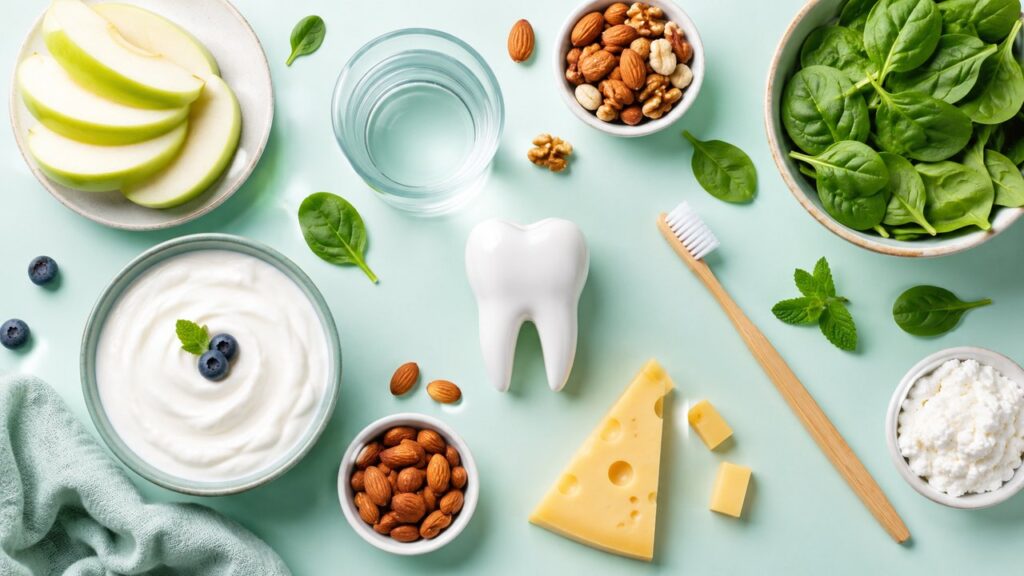
A healthy smile is possible not only through regular brushing and dental check-ups but also through proper nutrition. Everything we eat and drink directly affects the health of our teeth and gums. While some foods strengthen the teeth and support oral health, others increase the risk of decay and enamel wear. Reviewing eating habits is one of the most effective but often overlooked ways to protect oral health. In this comprehensive article we take a detailed look at the relationship between nutrition and dental health, the foods that strengthen teeth, the foods that harm them and recommendations for healthy eating.
The relationship between nutrition and dental health
The mouth is the starting point of the digestive system and the area that first comes into contact with the food we consume. The minerals needed for teeth to stay healthy are largely provided through nutrition. At the same time, the type and frequency of the foods we consume determine the behavior of the bacteria in the mouth and therefore the risk of decay. Balanced and conscious nutrition strengthens the teeth, supports the gums and protects oral health in the long term. The World Health Organization (WHO) also emphasizes that reducing sugar consumption is one of the most effective steps in preventing tooth decay. That is why nutrition is an integral part of oral health.
Foods that strengthen teeth
Some foods directly support the health of the teeth and gums thanks to the vitamins and minerals they contain. Consuming the right foods regularly contributes to keeping teeth strong and protecting oral health. Below we take a detailed look at the food groups that are especially beneficial for dental health.
Foods rich in calcium
Calcium is the basic building block of the teeth and jawbone. Adequate calcium intake contributes to keeping tooth enamel strong and the jawbone healthy. Dairy products such as milk, cheese and yogurt are among the richest sources of calcium. In addition, dairy products such as cheese can also help regulate the acid balance in the mouth. For people who cannot consume dairy products, green leafy vegetables and calcium-fortified foods also offer alternative sources. Including enough calcium in the daily diet is important for strong teeth.
Phosphorus and protein sources
Phosphorus is a mineral that works together with calcium to contribute to keeping tooth enamel healthy. Meat, fish, eggs and nuts are foods rich in phosphorus. Protein sources also contain many nutrients necessary for oral and general health. Getting enough phosphorus and protein in a balanced diet supports the structural health of the teeth. Foods such as nuts are beneficial both for their nutritional value and for increasing saliva flow during chewing.
Vitamin C and gum health
Vitamin C is especially important for the health of the gums. Adequate vitamin C intake contributes to keeping the gums strong and resistant. Fruits such as oranges, strawberries and kiwi, and green leafy vegetables, are rich in vitamin C. However, avoiding excessive consumption of acidic fruits and rinsing the mouth with water after eating them is important for protecting enamel health. Vitamin C sources consumed in balanced amounts support gum health while also contributing to overall immunity.
Vitamin D and calcium absorption
Vitamin D is necessary for the body to absorb calcium; it therefore plays an indirect but critical role in dental health. Without enough vitamin D, the calcium taken in cannot be fully used. Sunlight is the most important source of vitamin D; in addition, some foods such as fish also contain vitamin D. Getting adequate levels of both calcium and vitamin D supports the health of both the teeth and the jawbone. A balanced diet and a healthy lifestyle allow these two nutrients to work in harmony.
The importance of drinking water
Water is one of the simplest but most effective supporters of oral health. Drinking enough water keeps the mouth moist and maintains saliva production. Saliva is a natural defense mechanism that cleans food debris in the mouth, balances acids and protects the teeth. Drinking water after meals helps remove some of the food debris remaining in the mouth. Because dry mouth increases the risk of decay and gum problems, consuming enough water throughout the day is very important. Choosing water instead of sugary drinks is one of the best choices for dental health.
Fiber-rich foods and natural cleaning
Fibrous and firm-textured vegetables and fruits such as apples, carrots and celery help naturally clean the surface of the teeth as they are chewed. These foods also support the mouth’s self-cleaning capacity by increasing saliva flow during chewing. As part of a balanced diet, fibrous foods contribute to both general and oral health. However, it should be remembered that these foods do not replace brushing and play only a supporting role. Including fresh vegetables and fruits in meals is beneficial for a healthy smile.
Foods that harm teeth
Some foods, on the other hand, negatively affect dental health when consumed regularly and excessively. These foods do not need to be banned entirely; however, it is important to keep their frequency and amount of consumption under control. Below we take a look at the main food groups to be careful about in terms of dental health.
The relationship between sugar and decay
Sugar is one of the most important causes of tooth decay. The bacteria in the mouth use sugar to produce acid; this acid harms the tooth enamel and sets the stage for decay. Frequent consumption of sugary foods and drinks causes this acid attack to become continuous. Sticky candies in particular are riskier because they stay in contact with the teeth for a long time. Reducing sugar consumption and limiting sugary foods to main meals significantly lowers the risk of decay. Rinsing the mouth with water after consuming something sugary also helps.
Acidic drinks and enamel erosion
Carbonated drinks, some fruit juices and acidic drinks can wear down tooth enamel over time. Enamel erosion causes teeth to become sensitive and more easily damaged. Frequent consumption of these drinks poses a risk to the protection of enamel. Using a straw when consuming acidic drinks can reduce contact with the teeth. In addition, waiting a while instead of brushing immediately after consuming these drinks, and first rinsing the mouth with water, is better for protecting enamel. Drinks such as water and milk are much safer alternatives for the teeth.
Sticky and processed foods
Sticky foods can adhere to the surface of and between the teeth and stay there for a long time, creating a favorable environment for bacteria to produce acid. Processed foods containing refined carbohydrates also carry a similar risk by easily turning into sugar in the mouth. It is important to clean the teeth thoroughly after consuming such foods. Choosing options such as fresh fruit or nuts instead of sticky snacks is more beneficial for dental health. Limiting processed foods in the diet has a positive effect on both oral and general health.
The harm of frequent snacking
How often we eat is as important for dental health as what we eat. Snacking frequently throughout the day causes the mouth to be constantly exposed to acid attack and does not give saliva a chance to restore balance. Constantly eating between meals increases the risk of decay. Instead, it is healthier to concentrate eating into specific meals and give the mouth a chance to rest between meals. When a snack is needed, it is important to choose alternatives that do not harm the teeth instead of sugary options.
Healthy eating habits and recommendations
Creating an eating pattern that supports dental health is not difficult. Including dairy products, fresh vegetables and fruits, protein sources and enough water in a balanced plate is a basic start. Limiting sugary and acidic foods, consuming them with main meals and avoiding frequent snacking between meals protect oral health. Drinking water after meals and brushing the teeth when possible reinforce the positive effects of nutrition. These habits both strengthen the teeth and contribute to general health.
Nutrition and dental health in children
Eating habits are shaped in childhood and affect dental health for a lifetime. Limiting sugary foods and drinks in children is especially important for the health of baby teeth and developing permanent teeth. Encouraging healthy snacks and making water or milk a habit instead of sugary drinks protect children’s dental health. Instilling proper eating habits in children at an early age is one of the most effective ways to prevent dental problems that may arise later. Adopting healthy eating as a family is also the best example for children.
Is nutrition alone enough?
Proper nutrition is an important part of dental health but is not enough on its own. For a healthy mouth, in addition to nutrition, regular brushing, flossing and regular dental check-ups are also necessary. When all these elements work together, oral health is protected most strongly. Nutrition supports this whole by reducing the risk of decay and gum disease. Combining a balanced diet with regular oral care ensures a healthy smile lasts a lifetime.
Nutrition and dental health by age
Nutritional needs change with age, and this also affects dental health. In childhood and youth, adequate calcium and a balanced diet are especially important for developing teeth. In adulthood, keeping sugary and acidic foods under control protects dental health. In older age, it becomes important to turn to nutritious foods that support gum health and are easy to chew. A balanced diet forms the basis of oral health for every age group. Maintaining proper eating habits throughout life contributes to preserving a healthy smile.
Watch your diet with dry mouth
Dry mouth is a condition in which saliva production decreases and the risk of decay increases. In this case, nutrition and fluid intake become even more important. Drinking enough water helps keep the mouth moist and allows saliva to maintain its protective function. Avoiding sugary and acidic foods is important for reducing the risk of decay in people who experience dry mouth. Fibrous and watery foods can support saliva flow during chewing. When dry mouth becomes persistent, it is helpful to consult a dentist along with dietary recommendations.
Frequently Asked Questions
Which foods are most beneficial for teeth?
Dairy products (calcium), green leafy vegetables, nuts, fibrous vegetables and fruits, and plenty of water are the main foods that support dental health.
Why does sugar harm teeth?
The bacteria in the mouth use sugar to produce acid; this acid harms the tooth enamel and leads to decay. Frequent consumption in particular increases the risk.
Are acidic drinks harmful to teeth?
Yes. Carbonated and acidic drinks can wear down tooth enamel over time. Alternatives such as water and milk are much safer for the teeth.
Should I brush immediately after eating?
If you have consumed acidic food or drink, waiting a while before brushing and first rinsing the mouth with water is better for protecting enamel.
Can I protect my teeth just by eating healthily?
Nutrition is very important but is not enough on its own. It gives the best result together with regular brushing, flossing and dental check-ups.
How does nutrition affect children’s dental health?
Limiting sugary foods and instilling healthy habits early protect the health of baby teeth and permanent teeth.
To discuss personalized recommendations including nutrition for your oral and dental health, you can book an appointment at Beyaz Köşe Oral and Dental Health Clinic.